

How to Choose the Right Kitchen Cabinet Maker in Sydney for Your Renovation
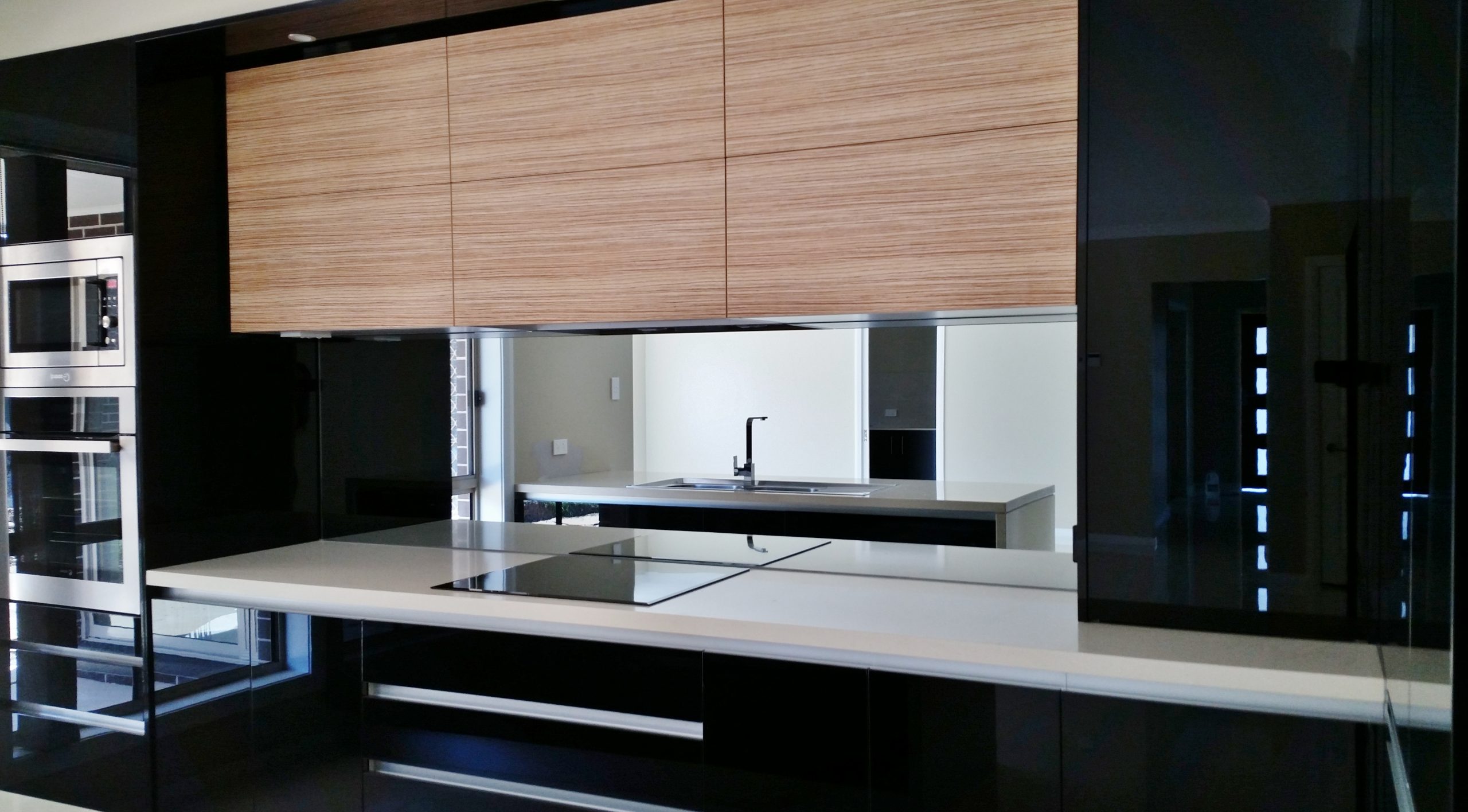
The right cabinet maker for a Sydney renovation is a licensed, locally manufacturing joiner who can show a real portfolio, provide a detailed written quote, and back their work with a minimum 5-to 10-year warranty. Verifying licensing and insurance, reviewing completed projects, and comparing material specifications (not just price) are the fastest ways to separate an experienced local craftsman from a reseller of imported flat-pack units. This guide walks through exactly how to evaluate cabinet makers in Sydney step by step, what questions to ask before signing, and which materials actually hold up in Sydney’s coastal climate.
As homeowners across Sydney update heritage homes, suburban family properties, and inner-city apartments, demand for kitchen renovations Sydney families can trust for decades has never been higher. The heart of any successful kitchen overhaul is its joinery, where precision, material quality, and spatial planning intersect. Flat-pack and off-the-shelf modular units may look convenient on paper, but they often lead to awkward fill panels, materials that don’t cope with Sydney humidity, and storage layouts that were never designed for your actual floor plan.
To achieve a genuine balance of aesthetic sophistication and everyday durability, discerning renovators turn to specialised cabinet makers. Sydney homeowners can verify and trust professionals who engineer bespoke joinery around the exact dimensions of a room, not a factory template.
This guide is a practical roadmap for selecting the right joinery partner for custom kitchens Sydney homes deserve, from verifying licences and local manufacturing to evaluating 3D design capability and trade coordination.
Why Choosing the Right Cabinet Maker Matters for Your Sydney Renovation
Flat-pack vs. custom joinery: the hidden costs of off-the-shelf cabinetry
Flat-pack cabinetry is built to standard module widths, typically increments of 150mm or 300mm. In a Sydney terrace, apartment, or a home with anything less than perfectly square walls, this almost always creates gaps that get covered with filler panels rather than built-in storage. Over a full kitchen, those filler strips can add up to significant lost storage space, and the melamine-faced particleboard commonly used in imported flat-pack ranges is not always rated for high-moisture zones a real issue in Sydney’s coastal humidity.
Custom joinery is measured and built to the millimetre for your specific footprint, which means low ceilings, awkward corners, meter boxes, and structural columns get designed around rather than worked against.
How local manufacturing affects lead times, quality control, and support
A cabinet maker who designs, builds, and installs locally can inspect and adjust cabinetry throughout production, rather than relying on a container shipment that can’t be altered once it arrives. Local manufacturing also matters after handover: if a hinge fails or a panel needs adjustment in year three, a local workshop can service it an importer or reseller typically cannot.
The financial and lifestyle return on bespoke kitchen joinery
Beyond day-to-day ergonomics, pull-out pantries at the right height, drawers instead of low cupboards, and appliances that are actually reachable are well-executed. Kitchen renovation is consistently one of the higher-return areas of a home in Sydney’s competitive resale market, because it’s one of the few rooms buyers judge instantly on a walkthrough.
Step-by-Step: How to Evaluate and Choose Sydney Cabinet Makers
Step 1: Verify licensing, insurance, and active NSW trade credentials
Before anything else, confirm the business (or the tradesperson doing the work) holds an active NSW licence and current public liability insurance. In NSW, any residential building work over $5,000 (including labour and materials) legally requires a licensed contractor. You can check a licence number directly on the NSW Fair Trading licence check tool. A legitimate operator will give you their licence number without hesitation.
Step 2: Review real portfolio projects, detailed joint work, and testimonials
Ask to see completed kitchens similar in scale or layout to yours, not just hero shots, but close-ups of joins, corners, and drawer interiors, which reveal actual build quality far better than a styled photo. Genuine, verifiable testimonials (Google reviews, a testimonials page, or references you can call) matter more than a polished gallery alone.
Step 3: Assess design capability from 3D modelling to material consultation
A cabinet maker who can walk you through a 3D render of your actual kitchen, not a generic mock-up, before manufacturing begins gives you the chance to catch layout issues on screen instead of on site. This step should also include a proper materials conversation: board type, finish, hardware brand, and benchtop compatibility.
Step 4: Compare detailed written quotes, cost breakdowns, and hardware inclusions
A trustworthy quote itemises materials, hardware (hinge and runner brand, soft-close mechanisms), installation, and any trade coordination, not just a single lump sum. This is also where “affordable” and “cheap” diverge: a lower quote that excludes hardware upgrades or site preparation can end up costing more once variations are added later.
Step 5: Ask about warranties, factory location, and installation timelines
Confirm the warranty length (established Sydney cabinet makers typically offer 5–10 years), where the cabinetry is actually manufactured, and a realistic installation timeframe given your project’s complexity and current trade availability.
Essential Questions to Ask Before Signing a Cabinetry Contract
- Can you provide your NSW licence number and current insurance certificate?
- Where is the cabinetry manufactured, and can I see the workshop or completed local projects?
- What warranty applies to the cabinetry, hardware, and installation separately?
- What board and finish do you recommend for a kitchen in a coastal or humid location, and why?
- What happens if my appliance dimensions or benchtop supplier changes mid-project?
- Who coordinates the electrician, plumber, and tiler during installation?
- What’s included in the quote, and what would trigger an additional cost (a variation)?
Understanding Material Quality: HMR Board, 2PAC, Veneers, and Hardware
Why High Moisture Resistant (HMR) MDF is non-negotiable in Sydney’s climate
Standard MDF absorbs moisture and can swell or delaminate over time, particularly around sinks, dishwashers, and coastal-facing homes. HMR MDF is manufactured with moisture-resistant resins specifically to resist that swelling, which is why it’s the standard carcass material for reputable Sydney kitchen joinery.
Comparing finishes: 2PAC polyurethane, timber veneers, thermoformed wrap and laminate
| Finish | Look | Durability | Best for |
| 2PAC polyurethane | Smooth, seamless, any colour | High-end, repairable, chip-resistant | Handleless, high-end modern kitchens |
| Timber veneer | Natural wood grain | Durable but needs sealing/care | Warm, textured modern or Hamptons styles |
| Thermoformed wrap (vinyl) | Smooth, budget-friendly | Good, but can peel at edges over time/heat | Cost-conscious renovations |
| Laminate | Flat colour or woodgrain | Very durable, scratch-resistant | High-traffic family kitchens |
Soft-close mechanisms, heavy-duty drawer runners and hidden structural brackets
Soft-close hinges and runners reduce impact wear on doors and drawers over years of daily use, and heavy-duty runners matter most in pot drawers and pantry pull-outs, which carry the most weight in any kitchen. Hidden structural corner brackets, rather than exposed fixings, are a good visual indicator of attention to detail in the build.
Red Flags to Watch Out for When Hiring Kitchen Companies
- Reluctance to provide a licence number or insurance certificate
- A verbal-only quote with no itemised cost breakdown
- No willingness to show completed local projects or connect you with past clients
- Vague or no warranty terms
- Large upfront deposits requested before any design or measurement work
- Pressure to sign before you’ve compared at least one other quote
Streamlining Your Renovation: Trades Coordination and Project Management
A kitchen renovation touches far more than cabinetry: electrical, plumbing, tiling, benchtop installation, and appliance delivery all need to land in the right sequence. Cabinet makers who manage or closely coordinate this trade sequencing (rather than simply dropping in cabinets and leaving) reduce the risk of delays caused by one trade waiting on another, and they’re better placed to catch clashes like a power point behind a planned cabinet before installation day rather than after.
Partner with Experienced Sydney Cabinet Makers for a Seamless Renovation
Choosing a cabinet maker in Sydney comes down to verification, not guesswork: confirm the licence, look closely at real completed work, understand exactly what materials and hardware are being used, and get a written, itemised quote with a clear warranty. With over 30 years of experience designing and manufacturing custom cabinetry locally, Creative Design Kitchens works through each of these steps with every client, from an obligation-free consultation through to 3D design, trade coordination, and installation.
Frequently Asked Questions
How much do custom kitchen cabinets typically cost in Sydney?
Custom cabinetry typically ranges from around $1,000 to $10,000, depending on project scale, materials, and finish. A tailored quote after consultation gives the most accurate figure.
What is the average hourly rate for cabinetmakers in Australia?
Employee wage data puts it at roughly $27–$40 per hour, but most Sydney cabinet makers quote per project rather than by the hour.
Can an affordable cabinet maker in Sydney still provide strong cabinet quality?
Yes. The lowest quote isn’t always the cheapest outcome — compare what’s included (board grade, hardware, warranty), not just the bottom-line price.
Which kitchen cabinet material handles humidity and moisture best in Sydney?
High Moisture Resistant (HMR) MDF is the standard choice, as it resists the swelling and delamination that standard MDF is prone to near sinks and in humid rooms.
How long does custom kitchen cabinet installation usually take?
Installation itself usually takes several days to a week; the full renovation, including design and manufacturing lead time, is typically several weeks to a few months.
need help?
Contact Us
Fill in the form below and we will get back to you within 24 hours.

- CONTACT CRAIG
- 1300 027 337
- info@creativedesignkitchens.com.au
Other related articles
When planning a new kitchen, it can be tempting to choose a standard design and simply make it fit your available space. However, the kitchen is one
Why choosing a custom kitchen designer matters. A kitchen renovation is one of the most significant investments many homeowners make. Beyond
If the kitchen is the heart of any home, then it’s fair to say that flooring serves as the veins that allow the heart to function so effectively.