

Luxury Kitchen Renovations Sydney: Design Ideas for Style and Functionality
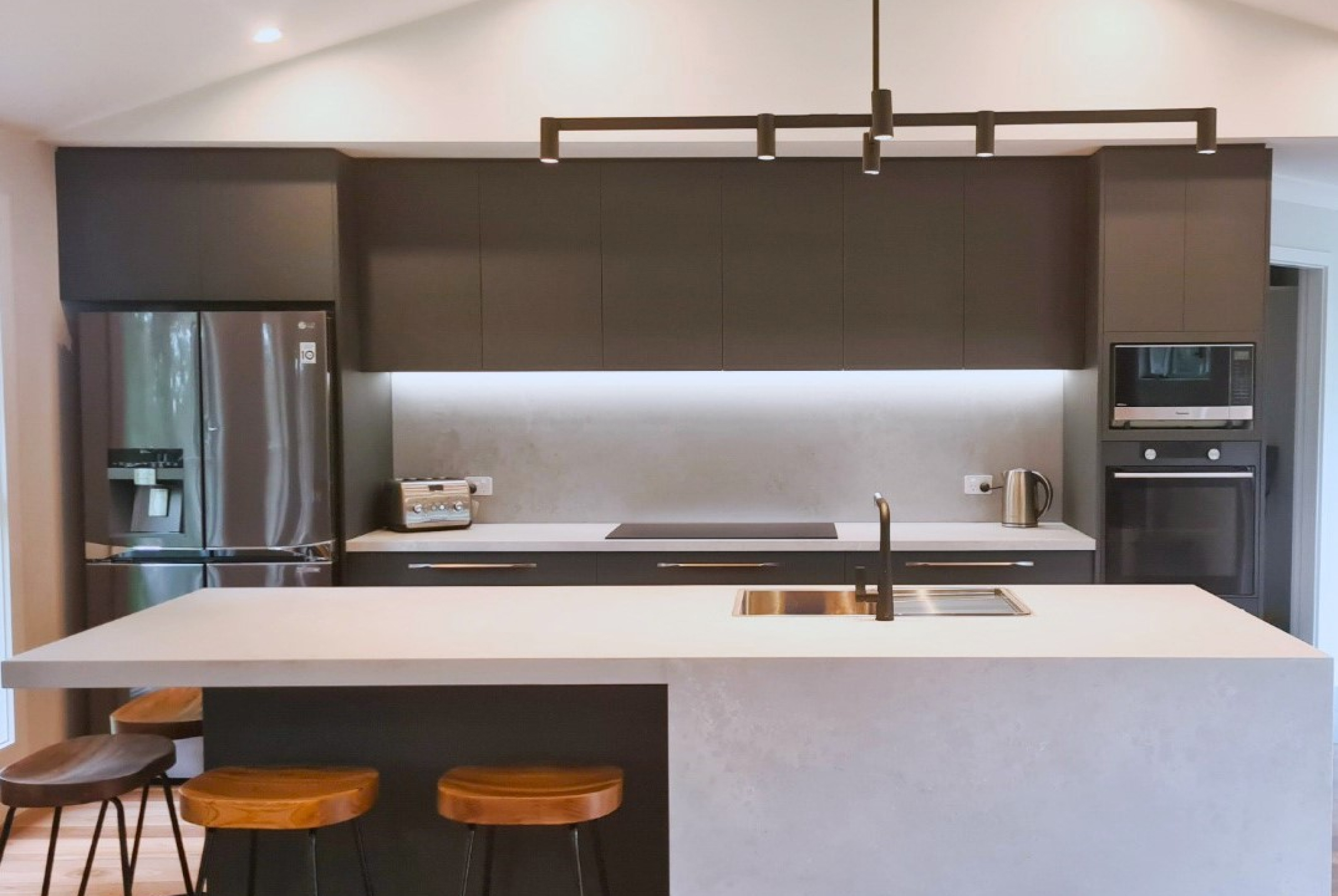
At Creative Design Kitchens, we believe kitchen renovations Sydney homeowners can actually live in, not just admire, should be about more than a pretty benchtop for Instagram. It’s about getting the layout, materials and finishes to work together so the room holds up to school mornings, Sunday roasts and everything in between, while still looking like it belongs in a magazine. We’re seeing this a lot at the moment, from federation terraces in the Inner West to sprawling open-plan homes out in the Hills District: families want a kitchen that looks high-end but won’t fall apart under daily use. Even the small stuff counts here. Choosing vinyl flooring Sydney conditions won’t wreck within a few years is honestly one of the most overlooked decisions in the whole process. Get the groundwork right and the rest tends to follow.
Designing for Style and Function: Layouts That Work for Sydney Homes
The old “work triangle” rule, fridge, sink, stove forming a triangle, isn’t dead. But it’s not the whole story anymore either. Most of the briefs landing on our desks now ask for zones instead: somewhere to prep, somewhere to cook, somewhere to clean up, and often a separate little corner for coffee or casual entertaining.
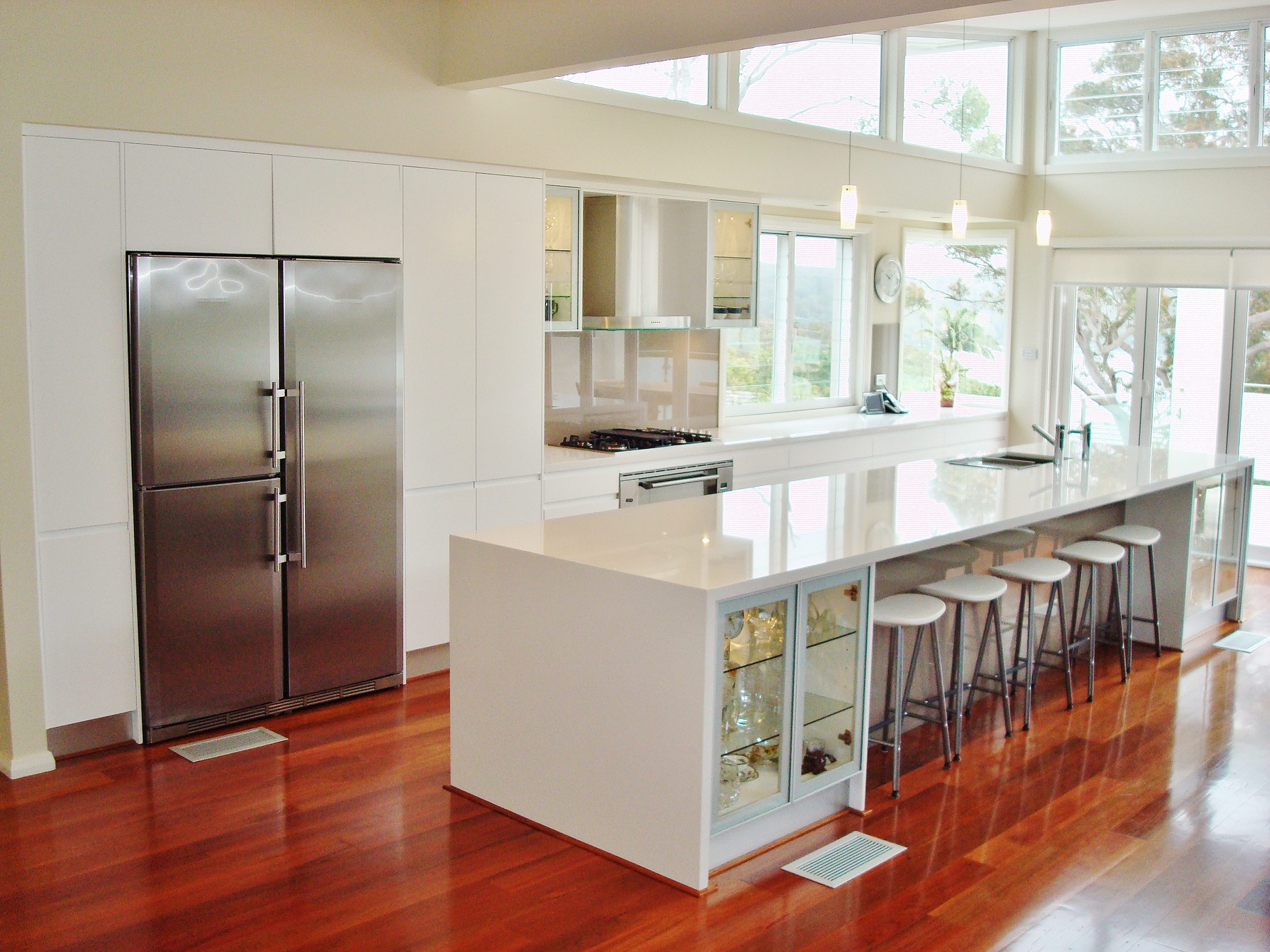
Curved islands and fluted joinery. Straight lines aren’t compulsory anymore, thankfully. A softly curved island breaks up a boxy room and gives people somewhere to lean without copping a hip on a sharp corner (ask anyone with kids how often that happens).
Zones over the triangle. A few people can move through the kitchen at once without tripping over each other, which matters a lot more now that everyone’s living in open-plan spaces.
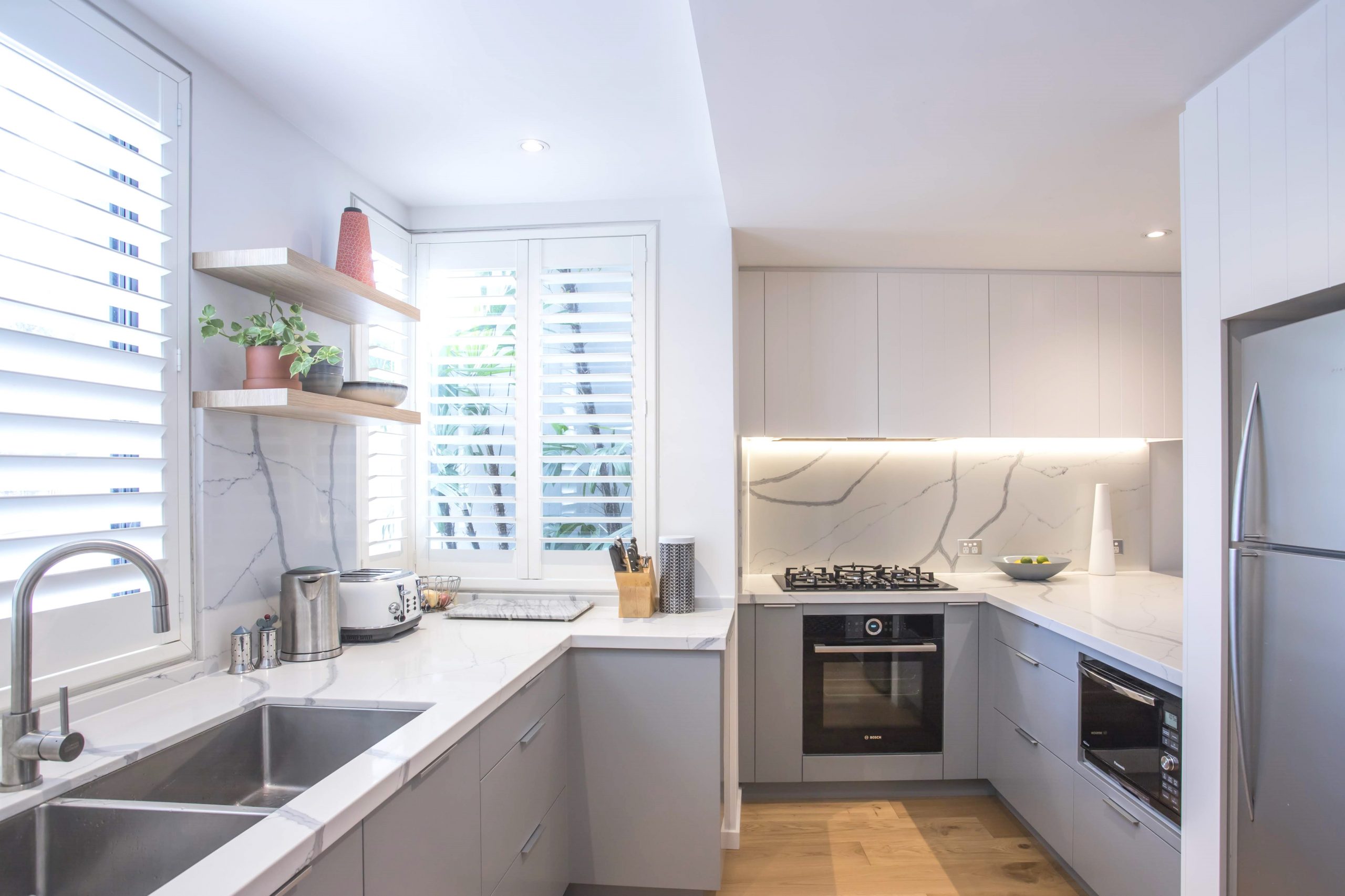
Working with tight footprints. Terraces and apartments don’t have room to waste. Floor-to-ceiling cabinetry, handleless doors and pull-out pantries claw back storage without the room feeling like a cupboard.
Material Selection: Finishes Built for Sydney’s Climate
This is where a lot of renovations go wrong, and it’s rarely the client’s fault. Sydney’s coastal air is humid, salty in some suburbs, and unforgiving on anything cheap. What looks great on day one can start lifting or warping within a couple of years if it wasn’t picked for the conditions.
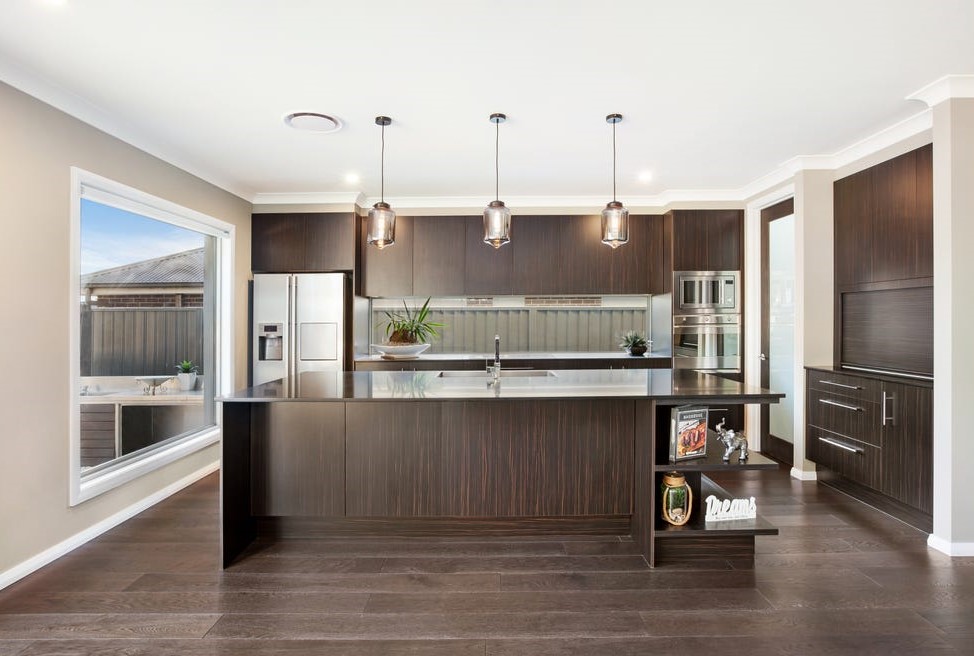
Natural stone slabs still look the part, though engineered porcelain and quartzite are closing the gap fast and cost a fair bit less to maintain over time. For cabinetry, it usually comes down to three options: 2PAC polyurethane for a smooth factory finish, warm natural oak if you want something softer underfoot for the eyes, or fluted timber profiles when texture matters more than a mirror-flat surface.
Flooring is worth its own paragraph, honestly. HMR (High Moisture Resistant) boards are worth the extra spend anywhere near sinks and dishwashers. And more of our clients lately are going with vinyl flooring Sydney weather won’t punish the way it does solid timber. It’s water-resistant, comfortable underfoot, and copes with humidity far better than timber ever will in a kitchen.
Bespoke Joinery vs. Standard Flatpacks
Flatpack cabinetry works fine, if your kitchen happens to be a perfect rectangle with standard ceiling heights. Most Sydney homes aren’t that. Awkward corners, low ceilings and odd angles are the norm rather than the exception, especially in older terraces where nothing was built square to begin with.
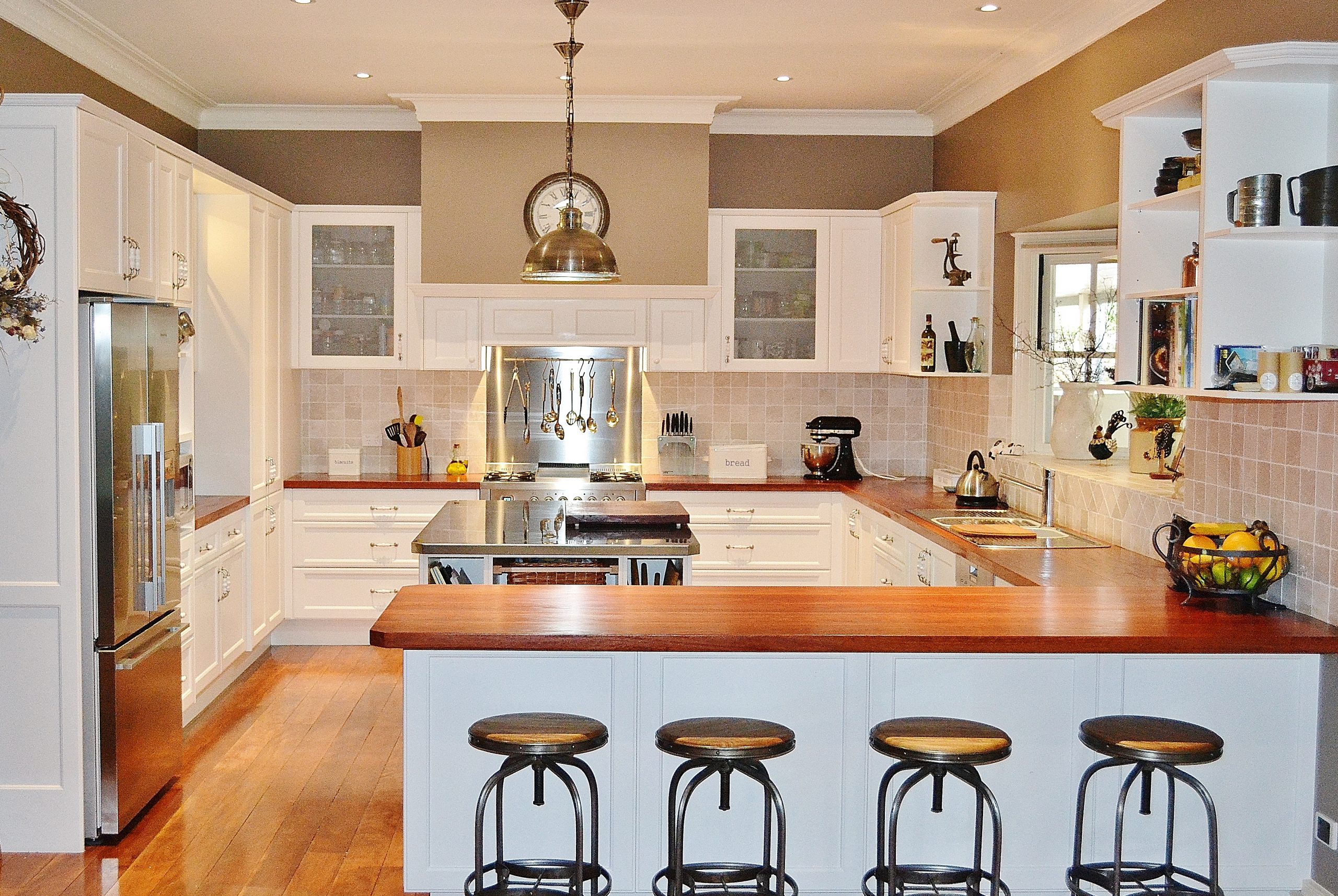
Custom joinery gets measured to the millimetre, so it actually fits instead of leaving gaps that need to be filled with trim afterwards. Yes, it costs more upfront. But it’s the difference between a kitchen that looks like it grew out of the walls and one that looks bolted on from a catalogue.
Concealed Luxury: Integrated Appliances and Butler’s Pantries
Hide the fridge, hide the dishwasher, and the main kitchen suddenly looks a lot calmer. That’s the appeal of integrated appliances, panels matched to the cabinetry so nothing sticks out and breaks the line. A butler’s pantry takes it further, doing the messy work out of sight: small appliances, food prep, the general chaos of cooking, all tucked behind a door so the visible kitchen stays photo-ready.
Lighting and Hardware: The Small Details That Change Everything
Layered lighting beats a single ceiling light every single time, no contest. Task lighting under the cabinets for actual cooking, a statement pendant over the island for personality, dimmable ambient lighting for the evenings when nobody wants to be under fluorescent glare. Hardware follows the same logic. Get the handle or tap finish wrong and it’ll quietly throw off a kitchen that’s otherwise nailed everything else.
Managing Your Renovation: Licensing, Timelines and Trades
A proper renovation is really a small construction project. Plumbers, electricians and joiners all need to work to a schedule, and someone, a licensed builder or trade manager, needs to be across the whole thing. Ask for a written timeline before you sign anything. In our experience, most delays come down to poor trade coordination, not bad luck.
Ready to Start Your Renovation?
Creative Design Kitchens has been designing and building luxury kitchen renovations across Sydney for more than 30 years, from the first sketch through to the final coat of paint. If you’re ready to turn your kitchens Sydney dream into something you can actually cook in, book an obligation-free consultation and let’s talk about your space.
Frequently Asked Questions
What are the latest trends in luxury kitchen design in Sydney?
Curved islands, fluted cabinetry and butler’s pantries are the standouts right now, along with a shift toward warm timber tones and away from stark white.
What kitchen design never goes out of style?
Simple, uncluttered layouts with natural materials and proper storage. Trends come and go. Function doesn’t.
How much does a luxury kitchen renovation cost in Sydney?
It varies quite a bit depending on size, materials and whether walls are moving, so an obligation-free consultation is really the only way to get a number that means anything for your home.
Do I need a licensed builder or trade manager for a Sydney kitchen renovation?
Yes, if plumbing, electrical work or structural changes are involved, which most renovations include. Having one person manage the whole job also keeps everything on schedule.
need help?
Contact Us
Fill in the form below and we will get back to you within 24 hours.

- CONTACT CRAIG
- 1300 027 337
- info@creativedesignkitchens.com.au
Other related articles
The right cabinet maker for a Sydney renovation is a licensed, locally manufacturing joiner who can show a real portfolio, provide a detailed written
When planning a new kitchen, it can be tempting to choose a standard design and simply make it fit your available space. However, the kitchen is one
Why choosing a custom kitchen designer matters. A kitchen renovation is one of the most significant investments many homeowners make. Beyond